
Walls pivoting sideways,
Become gates opening to new views.
Open gates of understanding!!
Walls pivoting sideways,
Become gates opening to new views.
Open gates of understanding!!
Diverse colors all,
living together, thriving.

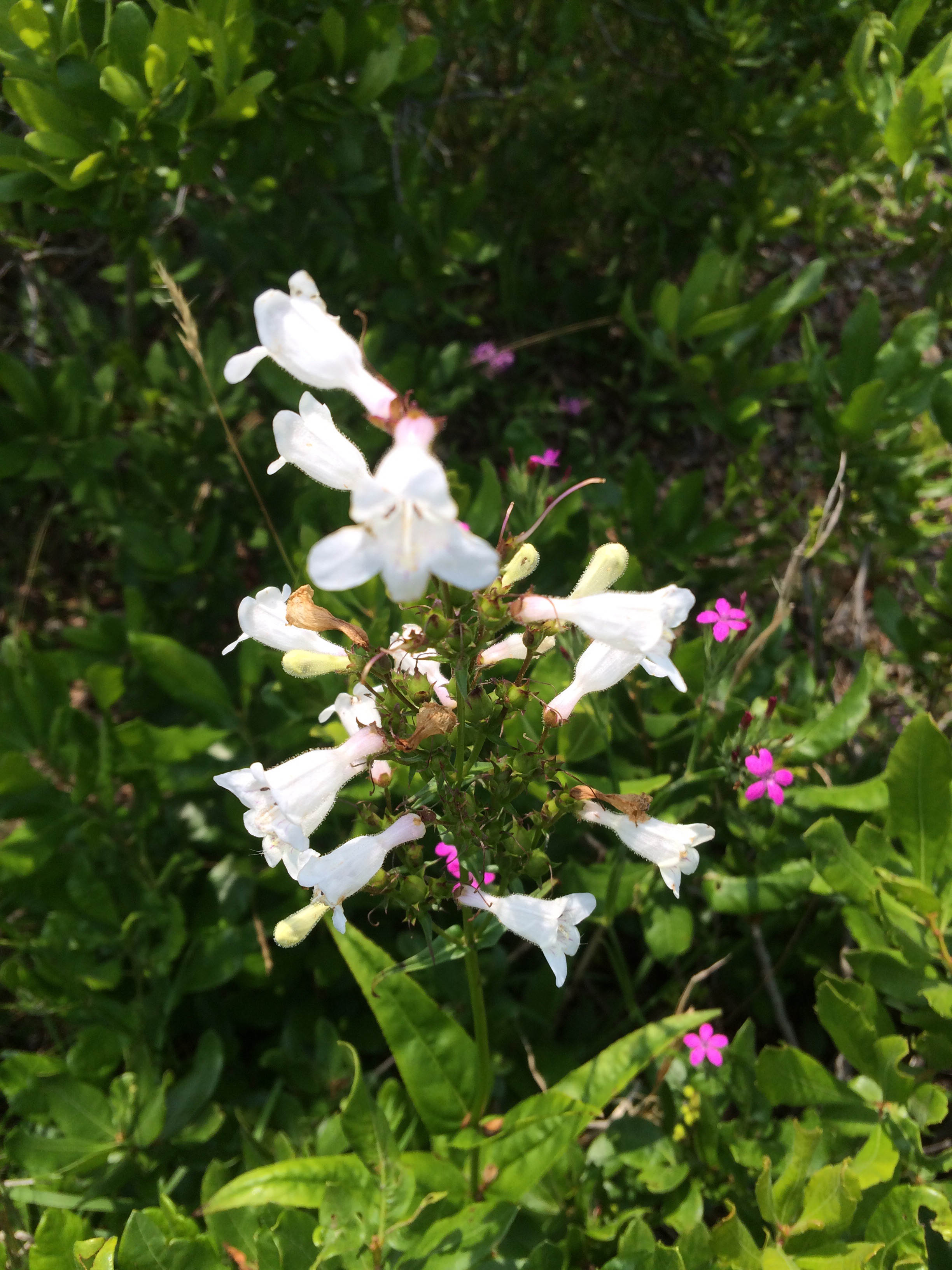

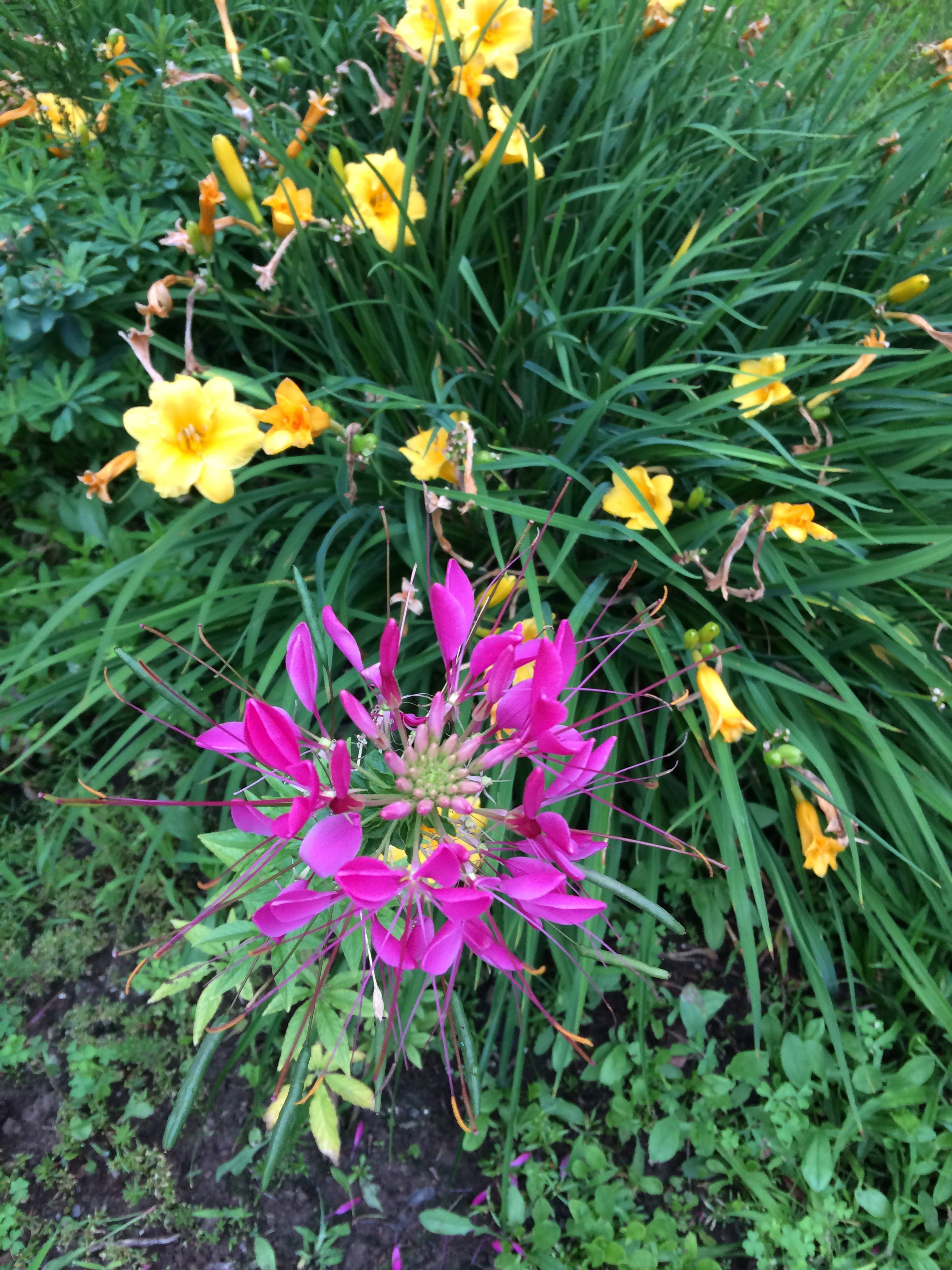
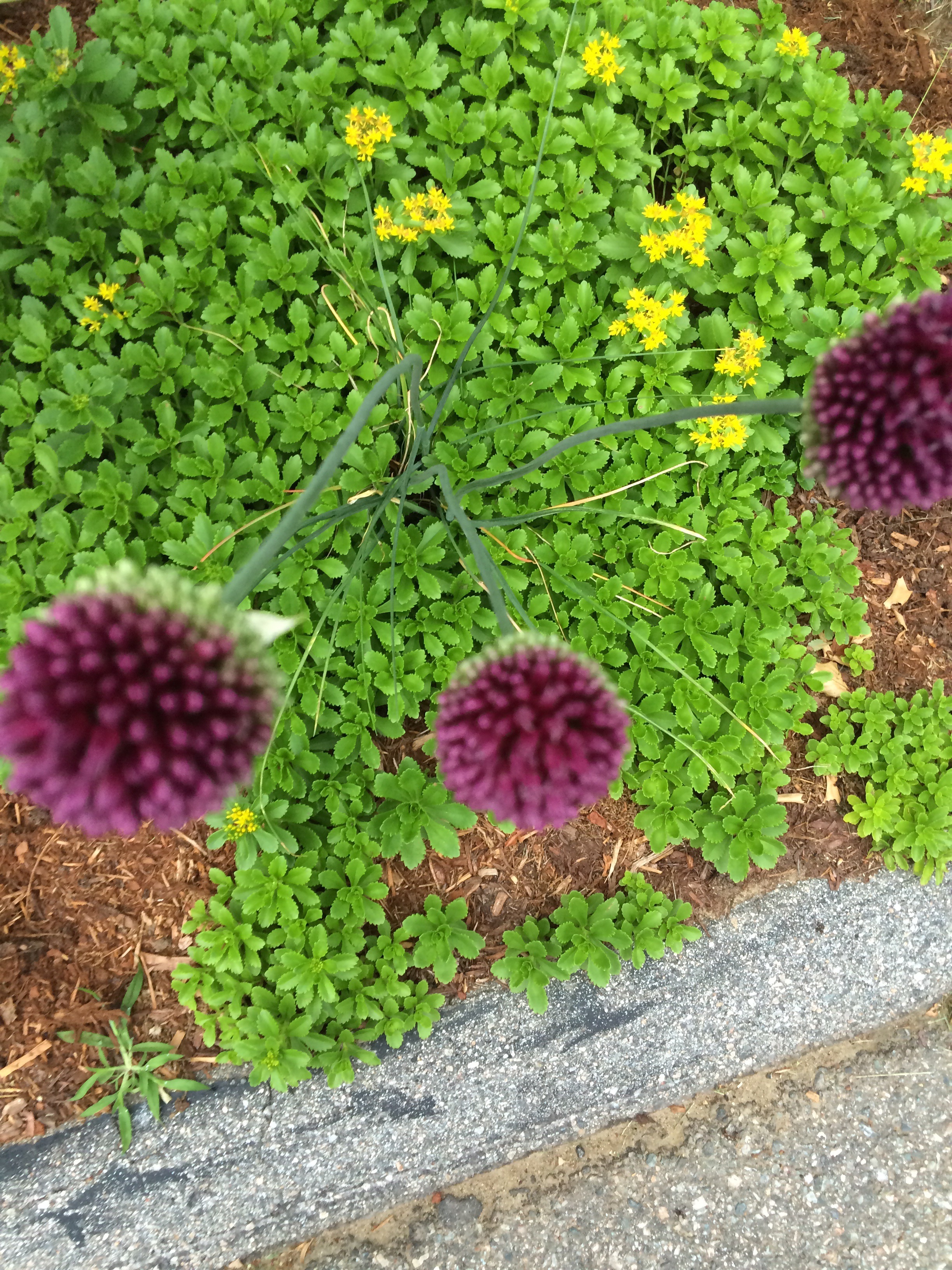

In nature, not us.
Out of the depths,
of anger, angst, despair, loss –
springs forth renewal.
When I read Basho,
Thoughts of order and beauty,
Not just bashed out.
Mourn the ways of man!
That we produce not beauty and art,
but only words and war.
“Pop, what’s the last number?”
“Numbers grow, then they’ll contract.
Isa, One is the last.
One became two, two became three.
God is one when man is one.”
A poem to consider in times of conflict. By those who serve and those who don’t.
This is considered one of the greatest poems from Alfred, Lord Tennyson’s tenure as Britain’s Poet Laureate.
Half a league, half a league,
  Half a league onward,
All in the valley of Death
  Rode the six hundred.
“Forward, the Light Brigade!
Charge for the guns!” he said:
Into the valley of Death
  Rode the six hundred.

“Forward, the Light Brigade!”
Was there a man dismay’d?
Not tho’ the soldier knew
  Some one had blunder’d:
Theirs not to make reply,
Theirs not to reason why,
Theirs but to do and die:
Into the valley of Death
  Rode the six hundred.

Cannon to right of them,
Cannon to left of them,
Cannon in front of them
  Volley’d and thunder’d;
Storm’d at with shot and shell,
Boldly they rode and well,
Into the jaws of Death,
Into the mouth of Hell
  Rode the six hundred.

Flash’d all their sabres bare,
Flash’d as they turn’d in air
Sabring the gunners there,
Charging an army, while
  All the world wonder’d:
Plunged in the battery-smoke
Right thro’ the line they broke;
Cossack and Russian
Reel’d from the sabre-stroke
  Shatter’d and sunder’d.
Then they rode back, but not
  Not the six hundred.

Cannon to right of them,
Cannon to left of them,
Cannon behind them
  Volley’d and thunder’d;
Storm’d at with shot and shell,
While horse and hero fell,
They that had fought so well
Came thro’ the jaws of Death,
Back from the mouth of Hell,
All that was left of them,
  Left of six hundred.

When can their glory fade?
O the wild charge they made!
  All the world wonder’d.
Honor the charge they made!
Honor the Light Brigade,
  Noble six hundred!
Alfred, Lord Tennyson
Alfred Lord Tennyson, was humbly born into a clergyman’s family, one of a dozen children. A father troubled by mental problems, alcohol, and at least two brothers similarly afflicted, resulted in a shy, socially inept young boy entering Trinity College, Cambridge in 1827. Poems he published with a brother about the same time drew little critical attention but did catch the notice of the “Apostles” of Cambridge, a quasi-secret society of intellectuals. One member who championed Tennyson for Apostles membership was Arthur Hallam, whose sudden death four years later would inspire Tennyson’s acclaimed poem In Memoriam. When In Memoriam was published in 1850 it cemented the already popular Tennyson as England’s most popular poet and lead to his being named Poet Laureate on the passing of Wordsworth. In 1883 Tennyson was awarded a peerage by Queen Victoria.
Tennyson’s poem The Charge of the Light Brigade was published in 1855, six weeks after the charge took place.
The Actual Charge of the Light Brigade
On October 25, 1854 the Battle of Balaclava, part of the Crimean War, was being fought between Russian and combined English and French forces. The terrain consisted of rolling hills that form a valley with both ends being slightly higher than the middle of the valley. Lord Raglan, overall commander of the British forces, ordered the light calvary to charge and harass a withdrawing Russian artillery unit. In passing the order downline the vague order was misinterpreted to be for the Light Brigade to make a frontal charge on well established Cossack artillery at the opposite end of the valley. The heights on either side of the valley were controlled by the Russian forces with well established artillery. Lord Cardigan led the Light Brigade through and into heavy artillery and rifle fire, breasted the Cossack batteries at the end but had to almost immediately begin a retreat back through the withering fire. During the charge and retreat, Cardigan’s brother-in-law Lord Lucan withheld his Heavy Calvary who were more suited for frontal assaults, under the justification that his charge would have been futile and he could more suitably render support and aid to the retreating Light Brigade. It was actually units of the French calvary who provided the greatest aid by clearing some of the batteries and rifle units on one side of the valley in support of the retreating Light Brigade. Since Lord Raglan’s orders were vague the blame, motivations, and responsibility for this senseless act of valor has for years been contested.
Beauty, I’ve been meaning to explain my frequent use of “beauty” as a category or tag in my posts. I knew I needed to do this almost as soon as I started posting more frequently. Why? you ask. Because I just as quickly began to have a number of young women view, like my posts and begin following me. I AM NOT complaining.
I just couldn’t figure out why. Until I would get a enough time to visit their blogs, many of which were focused on beauty as well. Except it was beauty in a different, certainly more common, sense. They were interested in, blogging about, beauty, cosmetics, fashion, etc.
Before I go any further I need to tell you that I am not Dineh (Navajo), I was not raised by the people, not have I been schooled or trained in their ways or customs. My understanding, what I am about to say, is solely my own interpretation of my readings in English about the Dineh concept and practice of walking in beauty. Any errors are mine and I would appreciate feedback/correction from those who wish to provide it.
Beauty, when I use it as a category or tag, is in the Dineh sense of hózhó náhásdlii (to walk in beauty). That sense, quite literally, that all around us and about us is in harmony. That nature, my person, my spirit, are all vibrating to the same harmonic. Let me give you an example.
It was a hike a few years ago. A day hike of about 10 or 12 miles along a blazed trail through one of the state forests where I live. I’d been on the trail about an hour, a little more maybe, working along one ridge line that was slightly lower than the one to the west which I was paralleling. The trail turned west and then back to the north and suddenly I was in a little glade, a stream burbling through it, the tempeture dropped 10 degrees, there was a massive yew streamside in the middle of the glade, and I cannot describe adequately the complete sense of peace, tranquility, rightness… My Irish self would probably call it a thin place, those secret spots where the barrier between worlds is nearly non-existent. I spent an hour in that place, in hózhó.
I’ve hiked that trail twice since. It’s not been the same in the glade. Me, or the universe, one of us was out of synch those days, not hózhó náhásdlii.
 Haiku Journey